

Don’t Get Scammed: 15 Fraud Risks to Watch Closely
Contents
As we welcome a new year, many of us focus on goals that improve our health, finances, and overall well-being. One resolution that deserves a spot at the top of your list is protecting yourself from scams. With the use of AI, fraudsters are becoming more sophisticated every year, and being informed is one of the best ways to safeguard your money and your personal information.
Whether you're shopping online, applying for a new job, donating to charity, or simply checking your email, understanding how common scams work can help you avoid becoming a victim. Below are 15 common scams. Learn what makes them so convincing and how to stay one step ahead.
-
Imposter & Urgency Scams
Scammers often pretend to be trusted government agencies, banks, tech support, or even family members. They create a sense of urgency, claiming you owe money, your account is compromised, or a loved one is in trouble, hoping you'll act before you think. -
Tech Support & Fake Security Alerts
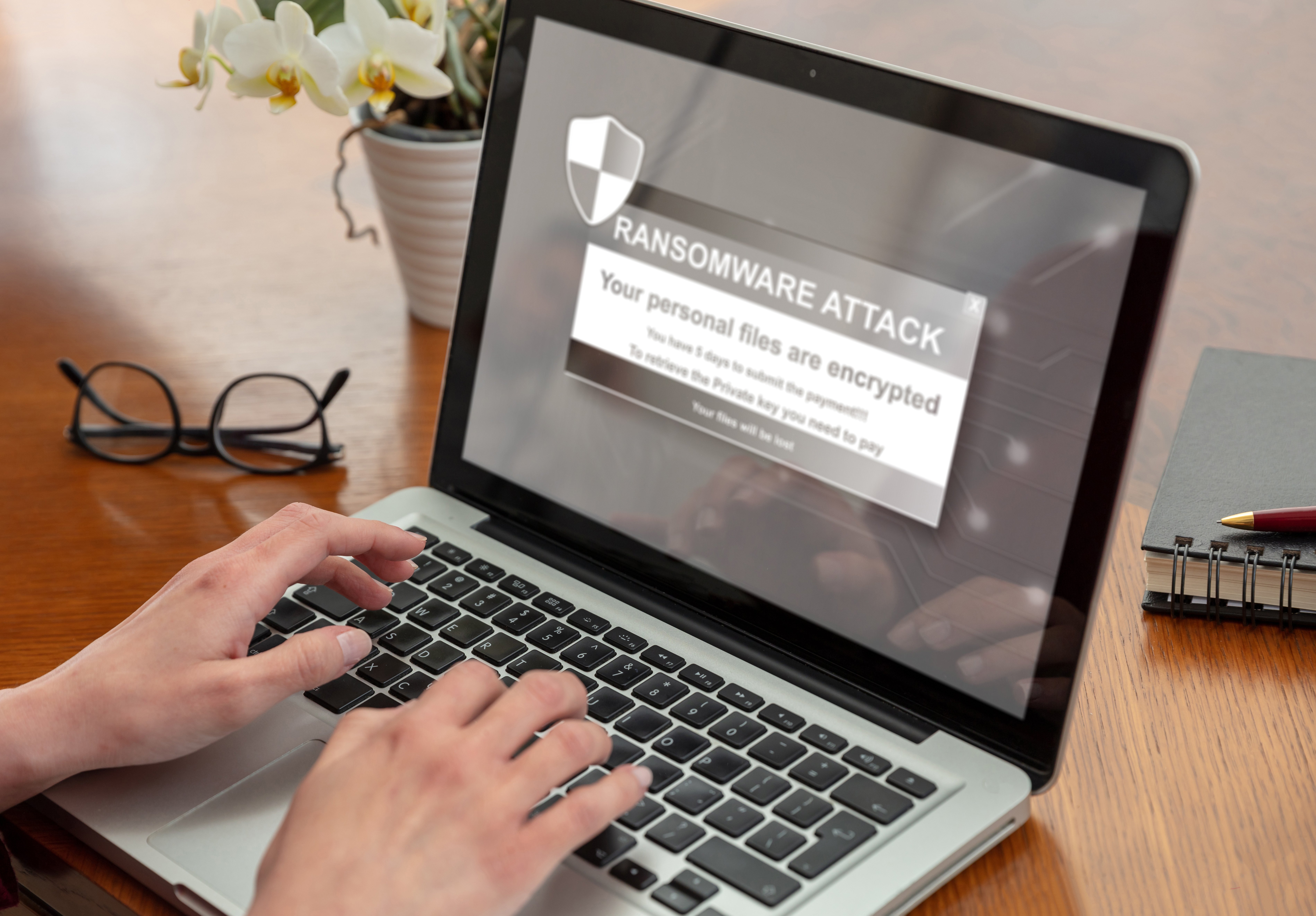
Pop-up warnings, an alarm blaring over your computer’s speakers, or unexpected calls claiming your computer is infected can lead to scammers gaining remote access to your device, installing malware, or charging you for unnecessary services. -
Job & Work-From-Home Scams
Fraudulent job postings offer great pay with little effort. They may ask you to pay upfront for training, send personal information, or click links disguised as onboarding documents. -
Debt Relief & Credit Repair Scams
Be cautious of anyone guaranteeing to erase debt or instantly fix your credit score. Credit repair scams frequently prey on financially distressed consumers and charge you an up-front fee. These services often overpromise and underdeliver, leaving you worse off than before. -
Fake Check & Overpayment Scams
Victims receive counterfeit checks and are instructed to deposit them, then send a portion back. When the bank identifies the check is fake, the victim is responsible for the full amount. -
Social Media Scams & Impersonations
Fraudsters create fake accounts impersonating companies, celebrities, or even friends. They promote bogus giveaways, investment offers, or “get rich quick” schemes, often asking for personal information or payment. -
Prize, Lottery & Sweepstakes Scams
"You’ve won!” messages can be tempting, but legitimate prizes will never require upfront fees, taxes, or financial information to claim your winnings. -
Phishing Emails, Texts & Links
These messages appear to come from reputable companies and often mimic their branding perfectly. They contain links or attachments designed to steal login credentials, credit card numbers, or other sensitive information. -
Online Shopping & Marketplace Scams
Fraudulent sellers and fake websites lure shoppers with steep discounts or hard-to-find items. On platforms like Facebook Marketplace or Craigslist, scammers may also pose as buyers who send fake payment confirmations. -
Romance & Relationship Scams
Scammers build trust and emotional connections through dating apps or social media. Once they establish a relationship, they share a fabricated emergency and ask for money, gift cards, or access to financial accounts. -
Fake Charity & Disaster Relief Scams
Whenever a natural disaster or crisis makes headlines, fraudulent “charities” quickly surface. They pressure you to donate immediately, often through untraceable payment methods. -
Investment, Crypto & Ponzi Schemes
Scammers promise high or guaranteed returns with cryptocurrencies or offer secret investment opportunities. Ponzi schemes rely on new investors to pay existing ones and collapse when no more money comes in. -
Rental & Travel Scams
Scammers advertise properties or vacation packages that don’t exist, often at a great value. They usually request deposits through wire transfers or cash apps before you can verify the listing. -
Tax Fraud Traps
Scammers send emails pretending to be from the IRS or tax software, promising refunds or threatening legal action, and link to fake sites for stealing info or installing malware. -
Voice Cloning Scams
Scammers might target you directly by finding a video of a friend or relative on social media and cloning their voice. They might call pretending to be your relative, claiming they need money for ransom or bail. These types of scams are sometimes called grandparent scams because the scammers often target older victims by claiming to be a grandchild in a difficult situation.
New Year’s Resolution: Making Fraud Prevention Part of Your Goals
Protecting yourself this year is easier when you keep a few simple habits:
- Pause before reacting to anything urgent or unexpected.
- Do not trust caller ID! If someone calls you and asks for personal information, hang up. Verify requests by contacting companies or loved ones directly using trusted phone numbers.
- Verify the source of emails and messages directly with the company or person and avoid clicking on unexpected links.
- Never send money, checks, or gift cards to someone you haven’t met in person.
- Use strong passwords, enable biometric logins and turn on two-factor authentication.
- Be skeptical of requests for money, gift cards, crypto, or personal information.

Remember: If you ever have any questions or something just doesn’t feel right, call us or stop into any branch. We’re always here to help keep you safe—in the new year and beyond.
About the Author