


Recessions are Painful; Expansions are Powerful
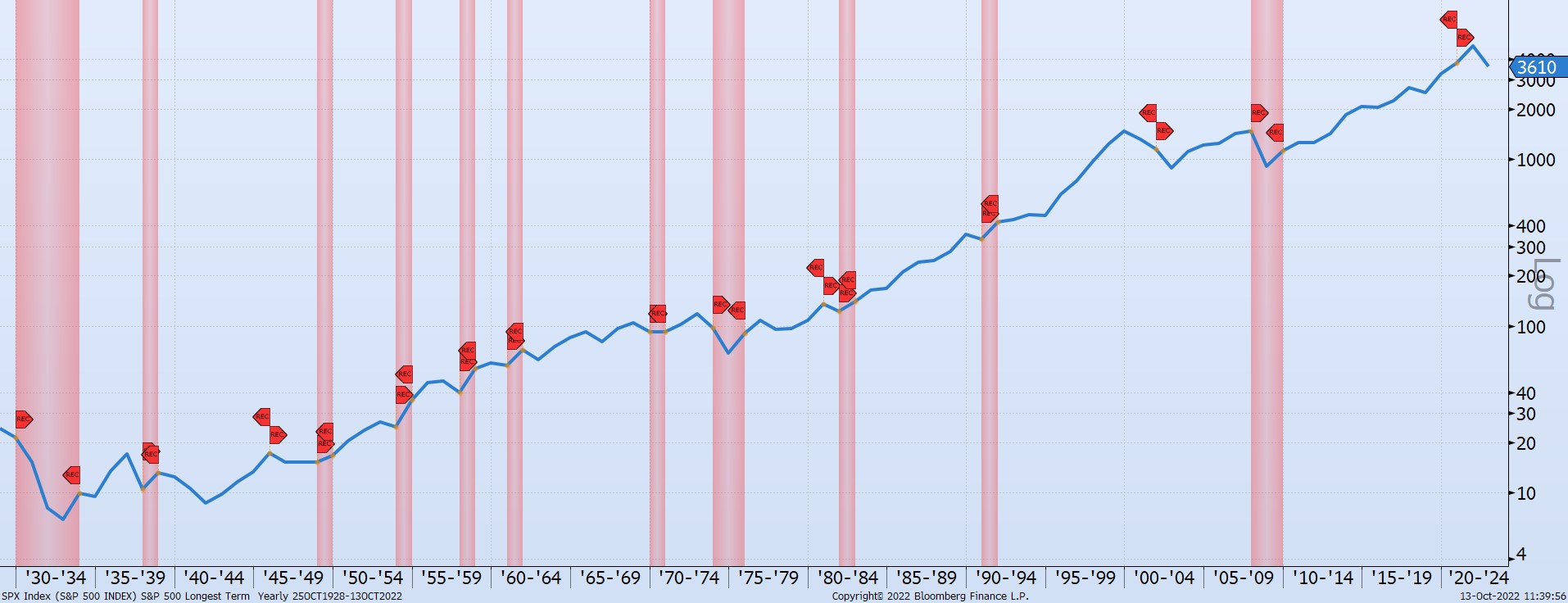
This chart comes from the Visual Capitalist. Since 1950, the average economic expansion lasts 67 months. The average recession, though painful, only lasts 11 months.
Take the first step toward securing your legacy. Attend a complimentary estate-planning seminar.
Investment products are not insured by the FDIC, are not deposits, and may lose value.
FDIC-Insured - Backed by the full faith and credit of the U.S. Government
BankFind
This bank is insured by the Federal Deposit Insurance Corporation. The FDIC Certificate ID is 8021. Click on the Certificate ID # to confirm this bank's FDIC coverage using the FDIC's BankFind tool.
EDIE
EDIE lets consumers and bankers know, on a per-bank basis, how the insurance rules and limits apply to a depositor's accounts-what's insured and what portion (if any) exceeds coverage limits at that bank. Check your deposit insurance coverage >>
This chart comes from the Visual Capitalist. Since 1950, the average economic expansion lasts 67 months. The average recession, though painful, only..
As of today, small- and mid-cap stocks on a year-to-date basis are performing better than their large-cap counterparts by 3% and 2%, respectively...
One of our clients calls this the “Chiclets Chart” because of its resemblance to that classic brand of candy-coated chewing gum.
Today’s chart from Morningstar shows annual net flows into passive funds (in purple) vs. active funds (in orange), and their dominance for the last..
Today’s chart from BlackRock shows that from 1940 to 2015 life expectancy went up 15 years and the average years spent in retirement went from six to..
This chart is from today’s Wall Street Journal. Because of their heavy weights in the S&P 500 index, eight companies make up half of the stock..
The Russell 3000 Index is made up of the largest 2,750 stocks in the United States.
From 2001 to 2017, the daily median income doubled for everyone in the world.
S&P Dow Jones Indices has published their updated U.S. Persistence Scorecard. A mere 2.2% of actively managed U.S. domestic equity funds in the top..
Past performance is no predictor of future success, but it is interesting to compare the past performance of different investments. These charts show..
There are two ways to make money in stocks:
I think about this chart often during discussions with clients on having too much exposure to single stocks.
Real estate is unique since humans need a physical place to live and work. Economics says the price of those physical places is constrained by the..
Duration describes the time it takes for a bond holder to get all their money back and/or the change in price for each 1% change in the interest rate.
This chart comes from the Visual Capitalist. Since 1950, the average economic expansion lasts 67 months. The average recession, though painful, only lasts 11 months.
As of today, small- and mid-cap stocks on a year-to-date basis are performing better than their large-cap counterparts by 3% and 2%, respectively.
There is an ebb and flow but going all the way back to 1994 small- and mid-cap stocks have outperformed large-cap stocks by an annual 0.66% and 1.49%, respectively. Financial theory supports, and so far this year it is also true, that when you add them to your portfolio they lower your risk due to the additional diversification.
Since this follows our motto of obtaining the “highest returns, for the least amount of risk,” we include small- and mid-cap stocks in all our portfolios.
One of our clients calls this the “Chiclets Chart” because of its resemblance to that classic brand of candy-coated chewing gum.
Today’s chart from Morningstar shows annual net flows into passive funds (in purple) vs. active funds (in orange), and their dominance for the last 11 years.
Today’s chart from BlackRock shows that from 1940 to 2015 life expectancy went up 15 years and the average years spent in retirement went from six to 37.
This chart is from today’s Wall Street Journal. Because of their heavy weights in the S&P 500 index, eight companies make up half of the stock market’s 14% decline year to date. It is notable that the value index was only down 3%, while the technology-heavy growth indexes are down 25%. As usual, the S&P 500, which includes both, splits the difference.
The Russell 3000 Index is made up of the largest 2,750 stocks in the United States.
From 2001 to 2017, the daily median income doubled for everyone in the world.
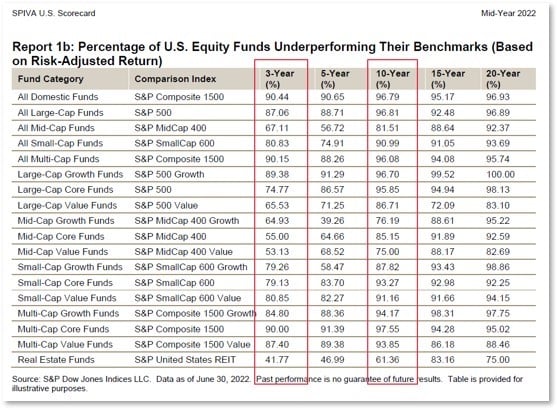
S&P Dow Jones Indices has published their updated U.S. Persistence Scorecard. A mere 2.2% of actively managed U.S. domestic equity funds in the top quartile for 12 months performance at the end of 2019 stayed ahead of three-quarters of their peers when measured two years later.
Past performance is no predictor of future success, but it is interesting to compare the past performance of different investments.
These charts show the value of $100 invested in real estate (red) and the stock market (blue.)
The chart above shows that over the last 15 years, the stock market was the place to be.
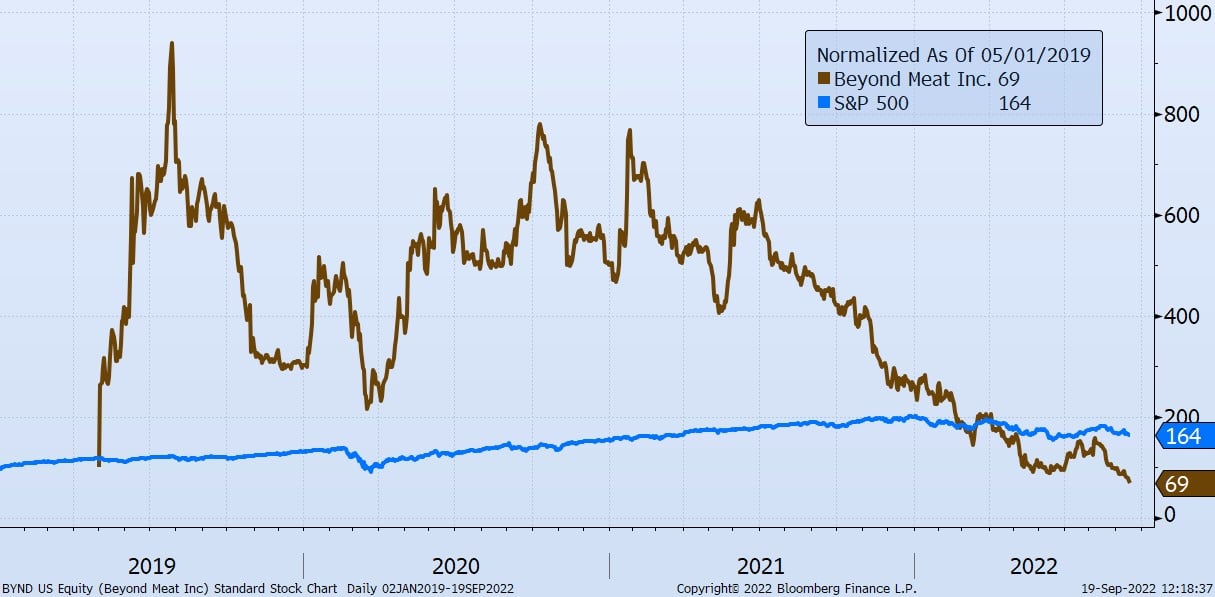
I think about this chart often during discussions with clients on having too much exposure to single stocks.
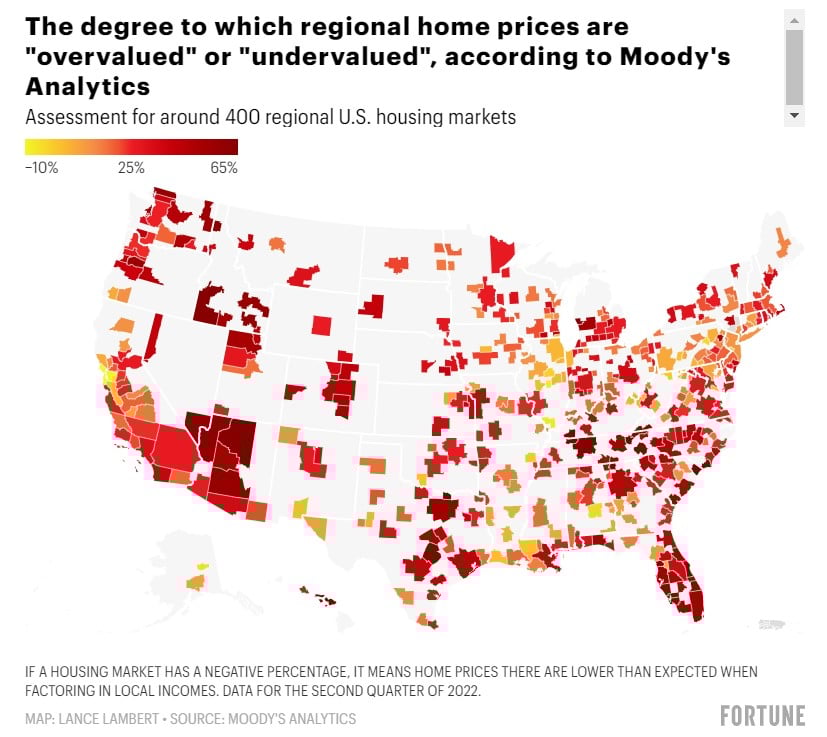
Real estate is unique since humans need a physical place to live and work. Economics says the price of those physical places is constrained by the cost of the physical labor to build them.
Duration describes the time it takes for a bond holder to get all their money back and/or the change in price for each 1% change in the interest rate.
current_page_num+2: 31 - disabled